

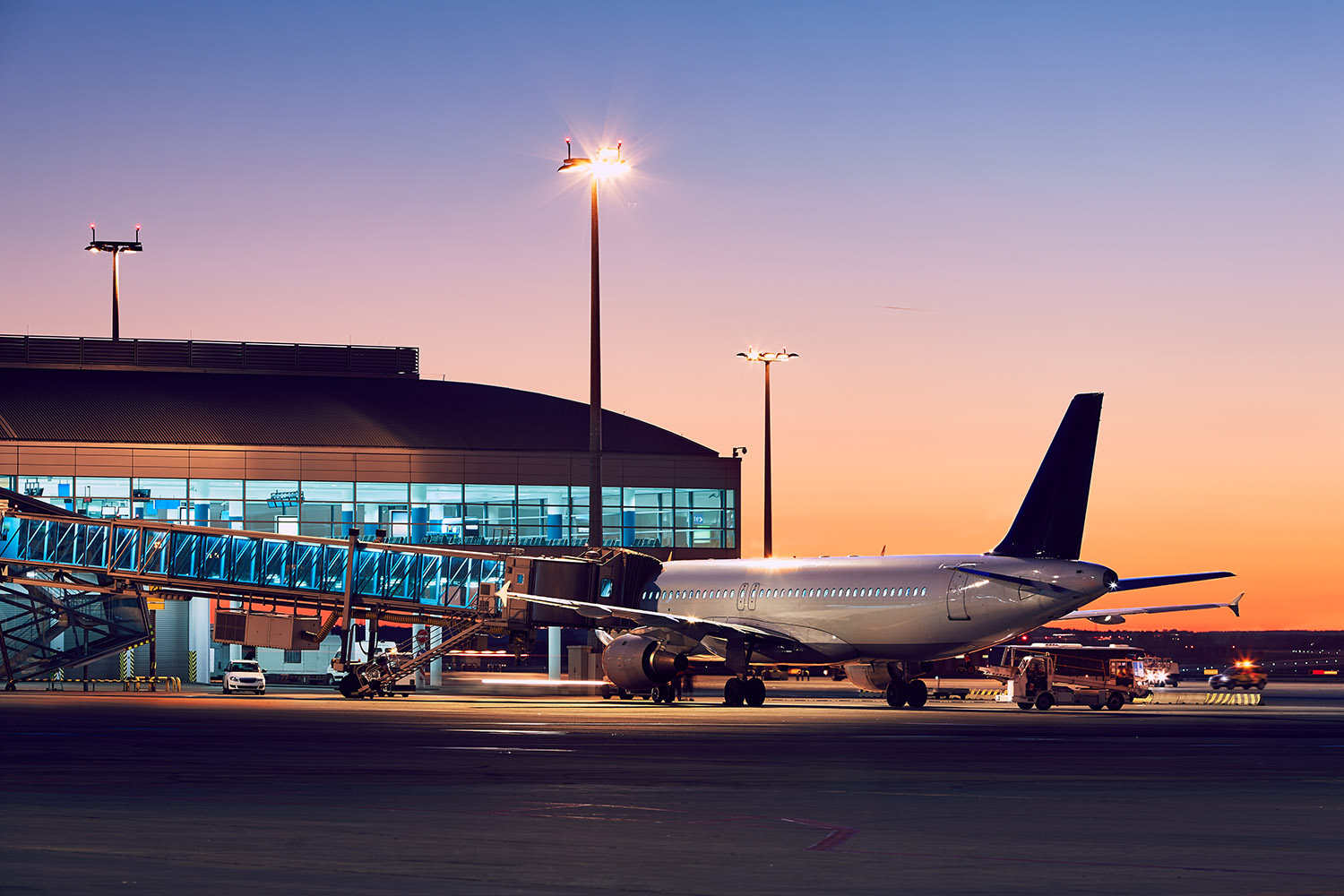
In today’s fast-paced world, passengers expect air travel to be as seamless and stress-free as possible. From booking flights to navigating airports and boarding planes, travelers want a smoother experience with fewer delays and less hassle. While technology has already transformed many aspects of the aviation sector, the true revolution lies in automation. By automating key processes, the industry is making travel easier, more convenient, and more enjoyable for passengers. In this blog post, we will explore how automation is improving the travel experience and why it is essential for the future of air travel.
1. Streamlined Booking and Check-In
Booking a flight and checking in can often be time-consuming and stressful. With automation, these steps have become much more efficient:
- Automated Booking Systems: Many airlines now use AI-powered booking engines that suggest the best flights based on your preferences, past travel history, and even real-time pricing trends. These systems can offer personalized recommendations for the best times to fly, cost-saving options, and add-on services such as extra baggage or seat upgrades. By reducing the need for human input, automated systems make the booking process faster and more intuitive.
- Self-Check-In Kiosks: Self-service kiosks at airports have revolutionized the check-in process. These kiosks allow passengers to check in quickly, select their seats, and even print their boarding passes or baggage tags, all without needing to stand in line at a counter. This automation significantly reduces wait times, allowing passengers to proceed to security and other checkpoints more efficiently.
- Mobile Check-In and E-boarding: Most airlines now offer mobile apps that let passengers check in before arriving at the airport. With mobile check-in, passengers can skip the kiosk entirely and proceed directly to security or baggage drop. E-boarding passes make it even easier to move through the airport, as travelers can scan their phones directly at the gate, eliminating the need for paper boarding passes.
2. Faster and More Efficient Security Screening
Security is one of the most important yet time-consuming parts of air travel. Thanks to automation, the entire security process has become faster and more efficient:
- Biometric Screening: Biometric technology, such as facial recognition and fingerprint scanning, is quickly being integrated into airports worldwide. These systems allow passengers to move through security checkpoints, boarding gates, and immigration with minimal human intervention. With just a quick scan, travelers can be identified, making the process faster and more secure.
- Automated Baggage Screening: Traditional baggage screening can be a slow and sometimes cumbersome process, often leading to delays. Automated baggage handling systems, paired with advanced scanning technology, make it easier for airport staff to inspect luggage quickly and accurately. These systems can also track bags throughout the airport, reducing the likelihood of lost luggage and ensuring a smoother experience for passengers.
- Security Robots: Some airports have already begun deploying robots that can assist with routine security tasks, like screening bags or scanning passengers. These robots, powered by AI, improve both the speed and accuracy of security procedures, allowing human security personnel to focus on more complex tasks.
3. Smarter Airport Navigation
Airports can be large, complex environments, and getting from check-in to the gate can sometimes feel like a maze. Automation is helping to simplify airport navigation:
- Digital Signage and Wayfinding Systems: Automated signage systems, powered by AI and real-time data, provide passengers with up-to-date information about gate changes, delays, and important airport services. Interactive kiosks and wayfinding apps can also help passengers find the fastest route to their destination, whether it’s a restaurant, a restroom, or their departure gate.
- Robot Assistants: Some airports have introduced robot assistants to help passengers find their way around. These robots can guide travelers to the correct gate, provide information about flight status, and even help with directions in multiple languages. This reduces the stress of navigating large, crowded terminals and ensures a more pleasant experience.
4. Improved Boarding and On-Time Departures
The process of boarding a flight is one of the most crucial stages of air travel, and automation is helping to make it faster and more efficient:
- Automated Boarding Gates: Rather than waiting in line to board a plane, passengers can now use automated boarding gates equipped with biometric scanners or mobile boarding pass readers. These systems verify identity and boarding information quickly, allowing for faster and more organized boarding.
- AI-Powered Seat Allocation: AI is also helping airlines optimize seating arrangements. By analyzing real-time data on passenger preferences, boarding speed, and even previous travel habits, automated systems can assign passengers to seats in a way that maximizes space and ensures smooth boarding. This can also reduce congestion in the aisles, helping the process move more efficiently.
5. Enhanced Passenger Services
From making meal choices easier to providing real-time updates, automation is transforming the way passengers interact with airlines and airports:
- Self-Service Options: Automated kiosks at airports often offer a wide range of self-service options, including ordering food, booking upgrades, or even printing additional luggage tags. In-flight entertainment systems are also becoming more automated, with passengers able to choose movies, music, or games directly from their personal devices or the plane’s system.
- Real-Time Updates: Automation systems ensure that passengers receive up-to-date information about their flights, including any changes to departure times, gate assignments, and delays. This can be delivered via apps, text messages, or electronic displays, keeping passengers informed and reducing uncertainty.
- AI-Powered Customer Support: Airlines are increasingly using AI-driven chatbots and virtual assistants to provide 24/7 customer support. These systems can handle common queries, assist with booking changes, and even troubleshoot minor issues without the need for human intervention. This not only saves time for passengers but also frees up human agents to deal with more complex requests.
6. Sustainability and Environmental Benefits
Automation is also playing a role in making air travel more sustainable, which ultimately benefits passengers as well:
- Efficient Aircraft Turnaround: Automated systems help airports and airlines streamline aircraft turnaround times, reducing the time planes spend on the ground. This leads to fewer delays and helps airlines operate on a more predictable schedule.
- Green Technologies: Many airlines are adopting electric and hybrid aircraft, and automation is critical for managing the complexities of operating these environmentally friendly technologies. AI-powered maintenance systems, for instance, help ensure these new technologies are running efficiently, contributing to a greener, more sustainable future for air travel.
Conclusion
The integration of automation in the aviation industry is making air travel easier, more efficient, and more enjoyable for passengers. From streamlining the booking and check-in process to enhancing security, improving navigation, and optimizing boarding, automation is eliminating many of the traditional pain points associated with flying. As technology continues to advance, passengers can look forward to an even more seamless, personalized, and efficient travel experience. For airlines and airports, embracing automation isn’t just about staying competitive—it’s about meeting the growing expectations of today’s tech-savvy travelers who demand convenience, speed, and a hassle-free journey. The future of air travel is automated, and it’s a future that puts the passenger experience front and center.