

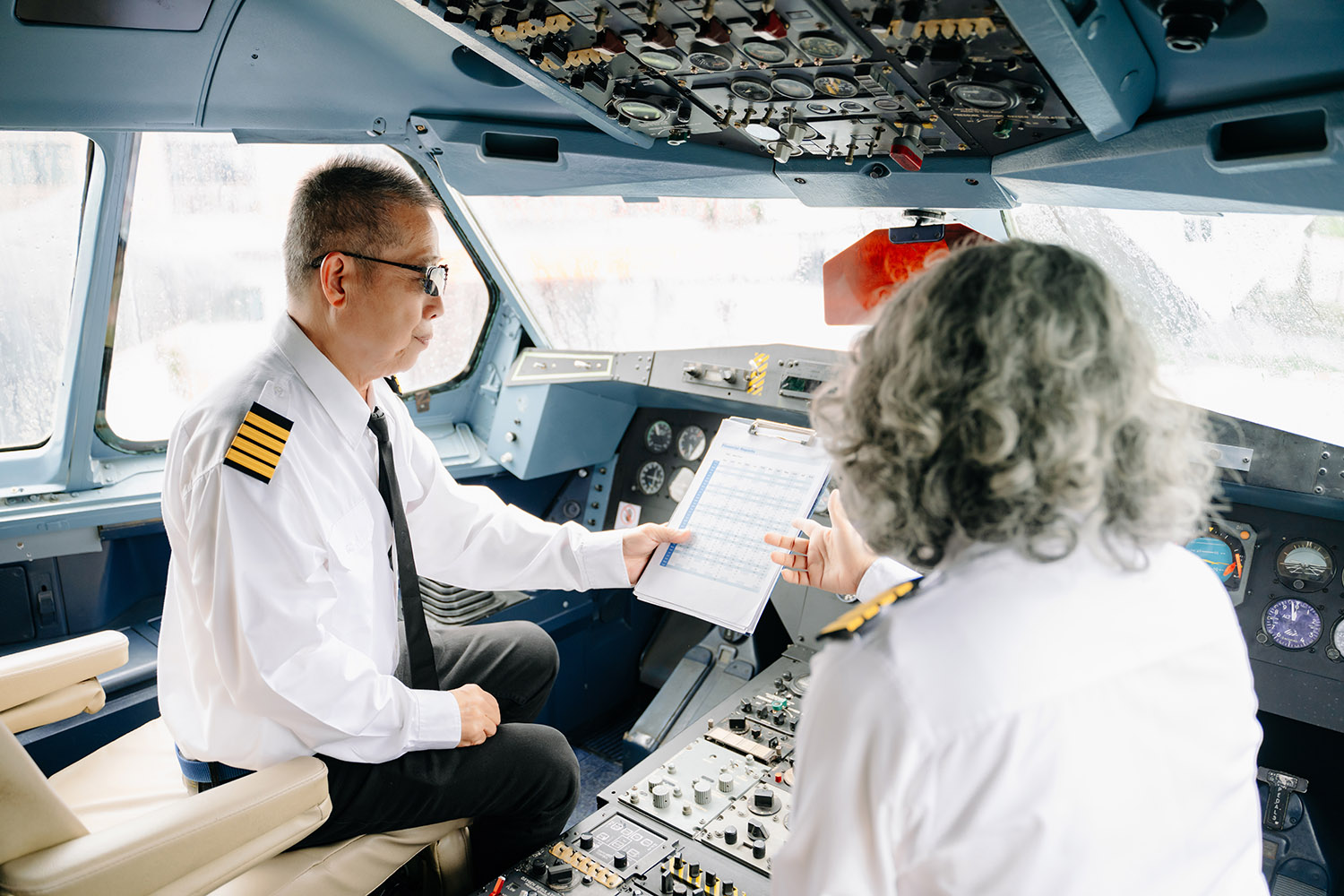
Automation in Aviation: How SolvCRM Can Optimize Workforce Management
The aviation industry is renowned for its complexity: managing tight schedules, coordinating diverse teams, and adhering to strict safety regulations. With growing demand for air travel and a structural shortage of qualified personnel, automation plays a critical role in modernizing and optimizing workforce management.
In this blog post, we explore how aviation companies can leverage automation, including tools like SolvCRM, to operate more efficiently, control costs, and keep their employees satisfied.
1. Automated Scheduling: Precision and Efficiency
In aviation, timing is everything. The complex task of getting pilots, cabin crew, maintenance teams, and ground staff in the right place at the right time calls for smart automation:
- AI-powered scheduling: Tools that account for working hours, rest periods, certifications, and flight schedules.
- Flexible adjustments: Rapid rescheduling in unforeseen circumstances, such as delays or sick leave.
Solutions like SolvCRM streamline this process, reducing the workload for planners and minimizing human error, which is crucial in this sector.
2. Data-Driven Insights for Smarter Decisions
With the vast amounts of data generated in aviation, advanced analytics can provide significant advantages:
- Predicting staffing shortages: Use historical data and trends to anticipate peak periods and potential shortages.
- Optimizing staff allocation: Operational data analysis helps distribute personnel more effectively during busy and quiet periods.
- Monitoring turnover and absenteeism: Automated systems detect patterns and proactively suggest interventions.
Tools like SolvCRM transform raw data into actionable insights, enabling aviation companies to plan strategically and utilize resources more effectively.
3. Supporting Training and Certification
In aviation, a well-trained team is not just important but mandatory. Automation can make a big difference here:
- Training tracking: Automated systems monitor when certifications and training expire and schedule updates.
- Simulation-based learning: Modern systems offer realistic training via VR and other technologies.
- Tracking individual progress: Automation makes it easier to monitor and adjust employee skill development.
With platforms like SolvCRM, aviation teams can remain compliant and up-to-date, even as regulations and technologies evolve constantly.
4. Workforce Flexibility
Aviation is unpredictable. From weather conditions to unexpected technical issues, flexibility is essential:
- On-demand staffing: Automated platforms make it easy to quickly mobilize freelancers or part-time staff.
- Real-time workforce management: Dashboards provide an up-to-date overview of personnel across locations, enabling immediate responses to changes.
Using tools such as SolvCRM, organizations can ensure operational agility and maintain a balanced workforce.
5. Cost Savings and Efficiency
While the initial investment in automation may be substantial, the long-term benefits are significant:
- Reduced manual administration and planning.
- Better utilization of existing personnel capacity.
- Lower costs through fewer errors and more efficient processes.
Solutions like SolvCRM enhance workforce management, translating to higher customer satisfaction by reducing delays and improving service.
Case Study: Automation in Action
A major European airline implemented an automated workforce management system like SolvCRM for scheduling pilots and cabin crew. Previously, resolving scheduling conflicts took an average of 4 hours per day; now, it’s done in minutes. Additionally, the system provided insights that helped reduce overtime by 15%, saving costs and improving employee satisfaction.
Conclusion
In the dynamic world of aviation, strategic workforce management is essential for success. Automation provides airlines and airports with the tools to solve complex staffing challenges while improving efficiency and satisfaction. Tools like SolvCRM make it easier than ever to implement automation effectively.
The question is no longer whether automation is necessary but how quickly companies can implement it.